|
|
|
|
|
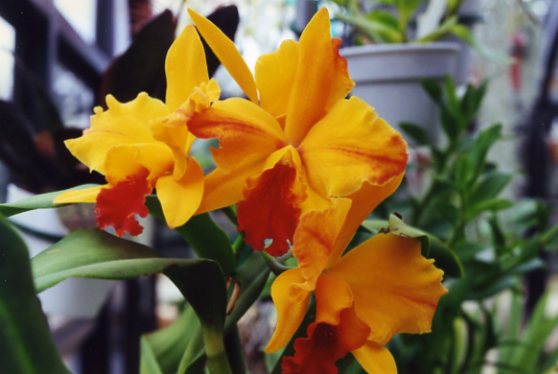
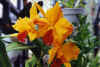
SLC Hazel Boyd 'Sunset' AO/AOS |
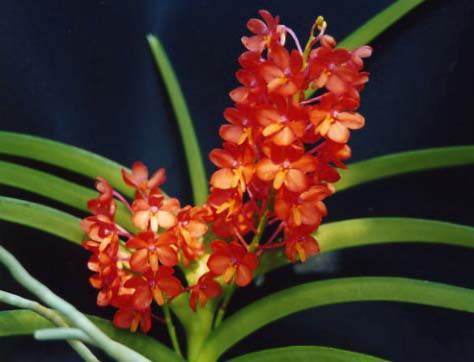
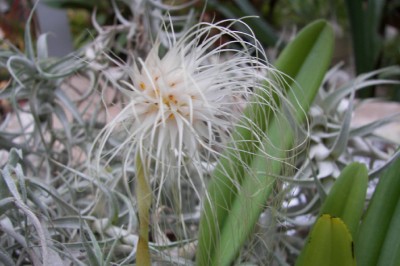
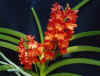
Ascocentrum curvifolium
Native to Burma, Thailand and Laos
|
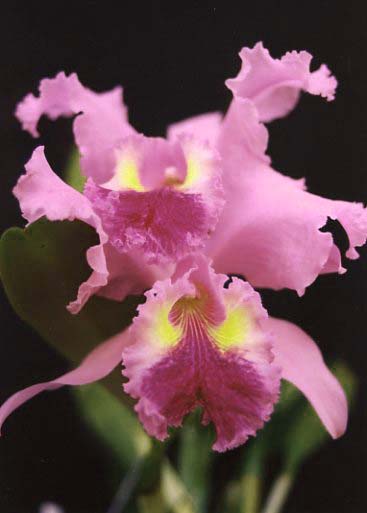
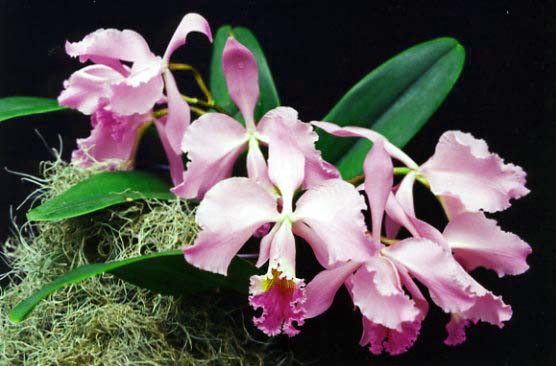
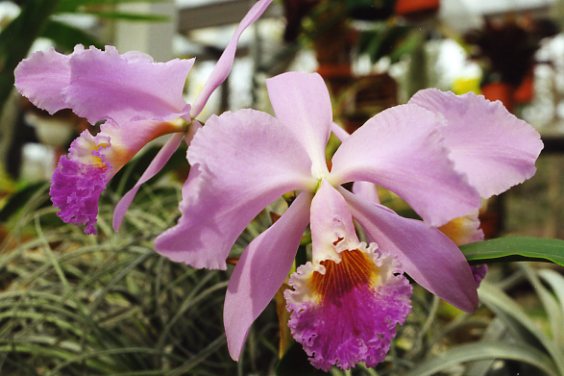
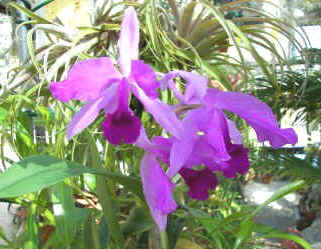
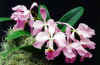
Cattleya maxima
native to the coastal
dry forests of Ecuador and northern Peru
|
|
|
|
|
|
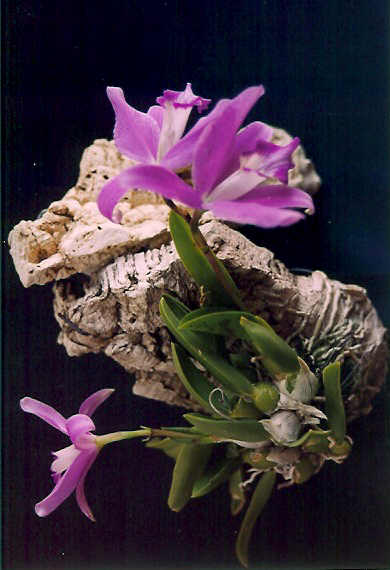
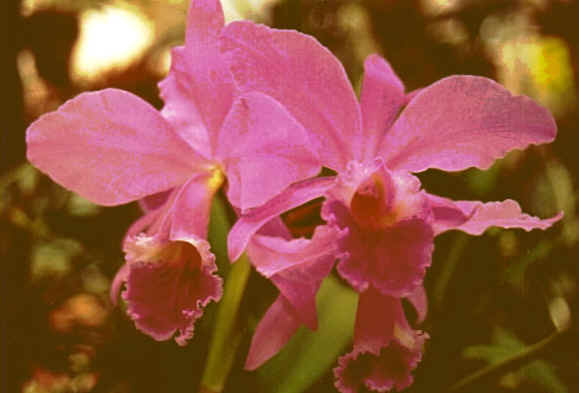
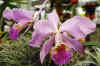
Cattleya lueddemanniana
Venezuela
|
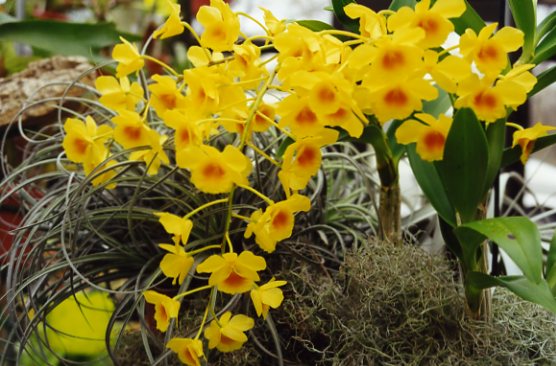
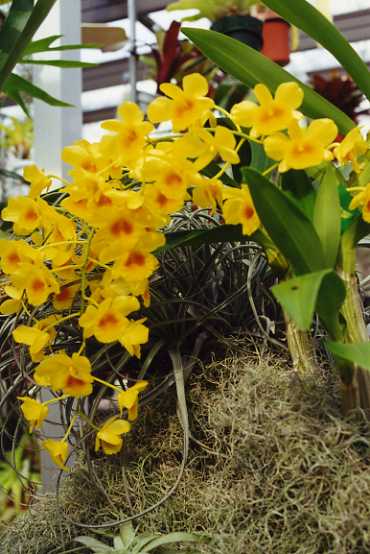
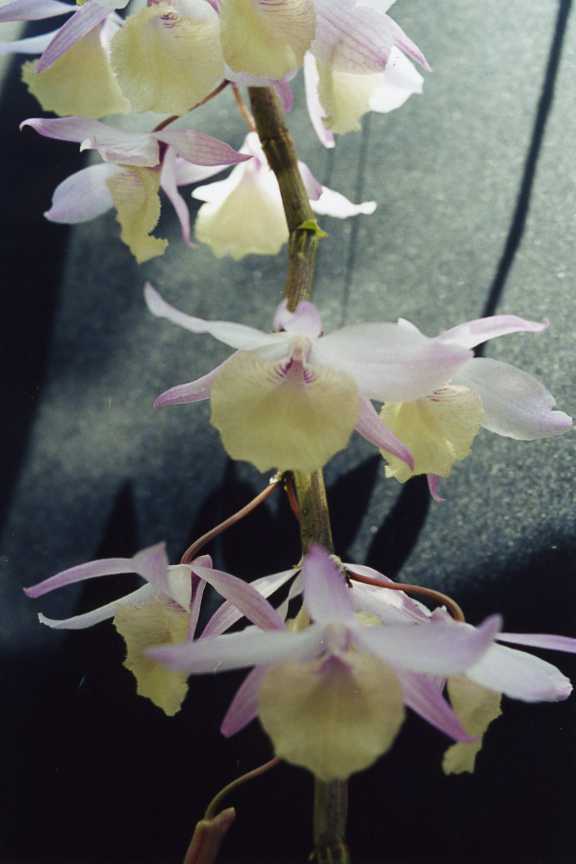
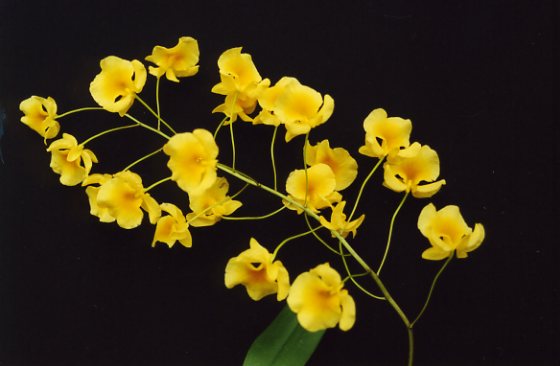
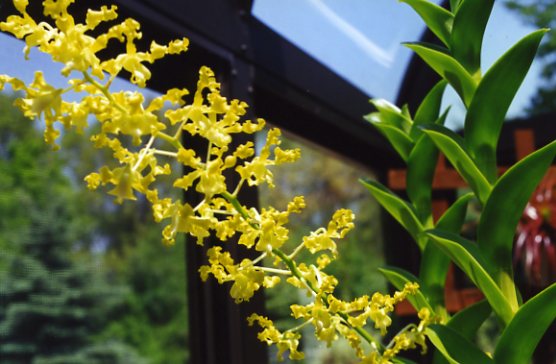
Dendrobium chrysotoxum
India, Burma, Thailand, China and Laos
high light during winter and a short dry rest period -
intermediate - half shade - fragrant
|
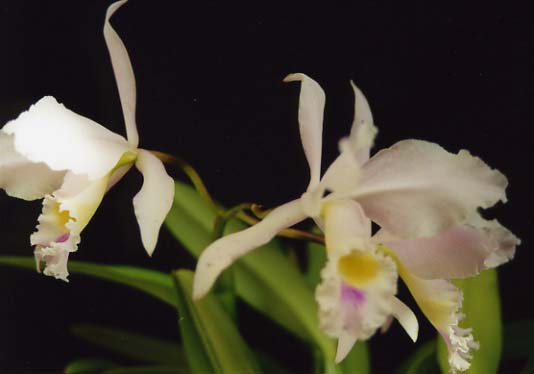
Cattleya gaskelliana
intermediate - half shade - fragrant
|
|
|
|
|
|
Dendrobium aggregatum
|
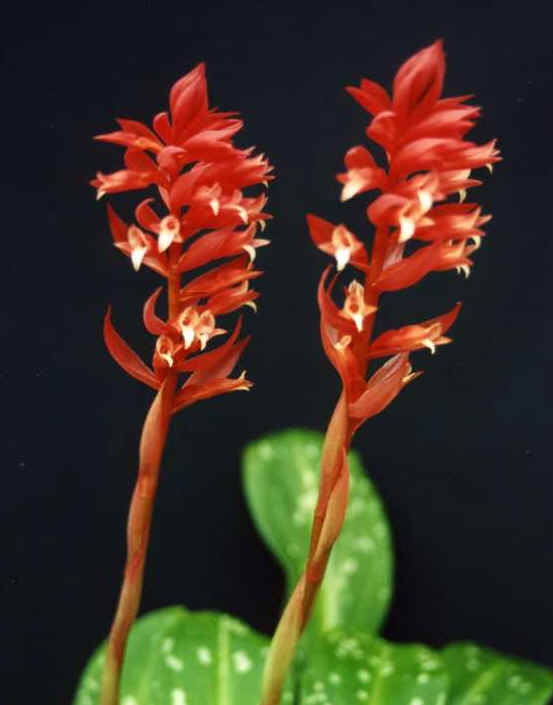
Stenorrhynchos speciosus
An epiphyte found growing on oaks in mixed woods, cultivation:
keep moist, grow in humus or moss
|
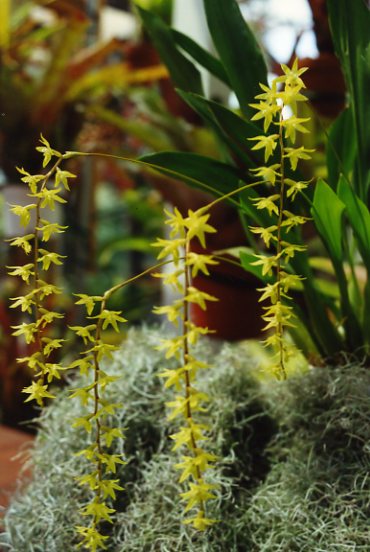
Dendrochilum pangasinanense
intermediate - half shade - fragrant
|
|
|
|
|
|
Schomburgkia superbiens
syn.
Laelia superbiens
Mexico and Nicaragua
|
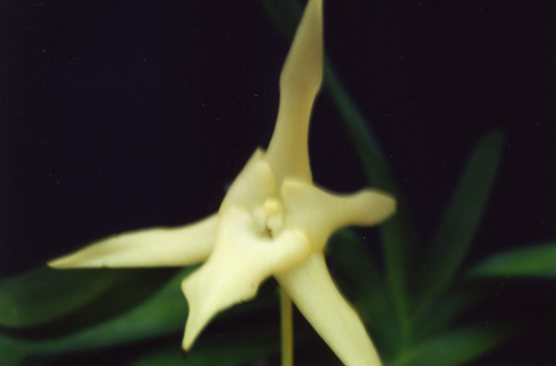
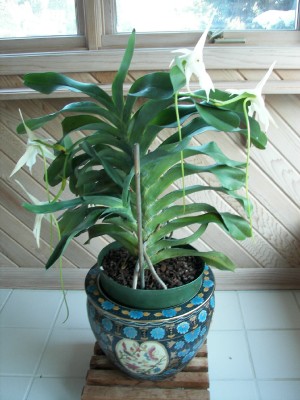
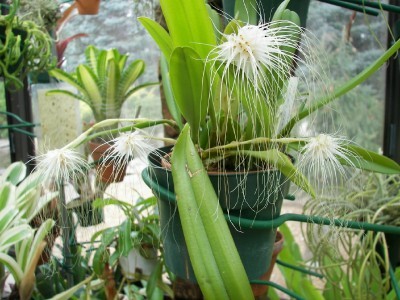
Angraecum sesquipedale
The comet orchid from Madagascar
|
SLC Jewel Box 'Scheherazade' AM/AOS
|
|
|
|
|
|
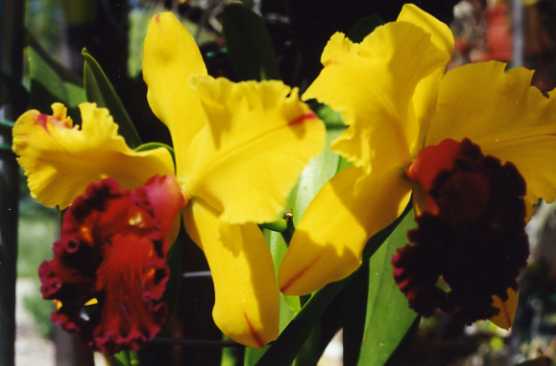
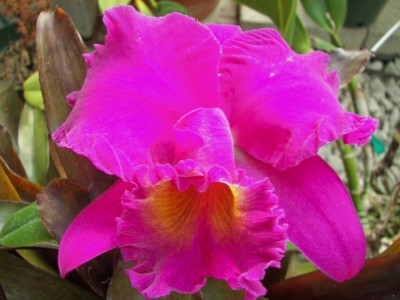
BLC Toshie Aoki 'Pokai' AM/AOS
|
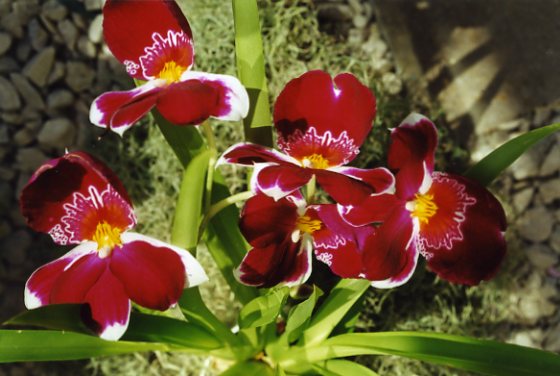
Miltonia'Cumba'
|
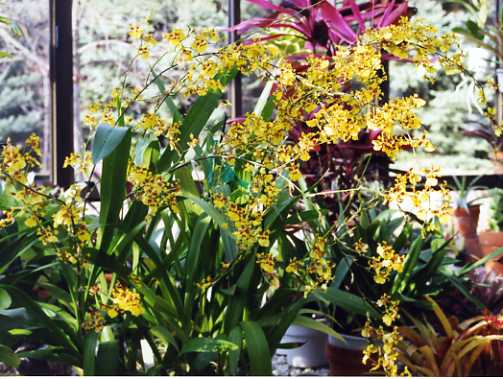
Oncidium spacelatum
Mexico, Costa Rica and Venezuela
intermediate - half shade
|
|
|
|
|
|
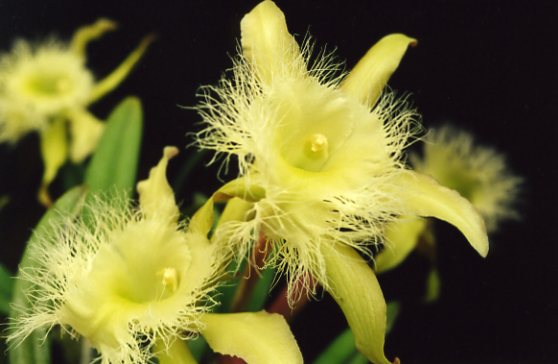
Rhyncholaelia digbyana
A beauty from Honduras
|
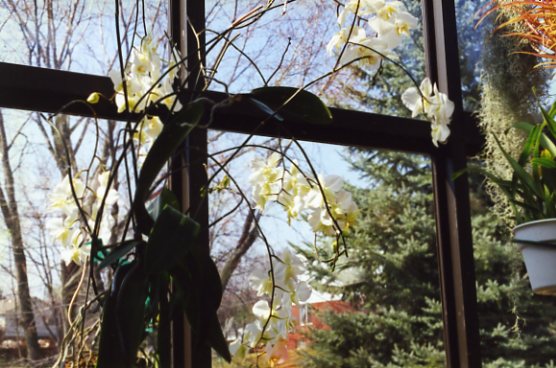
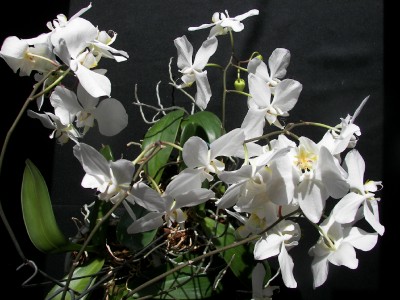
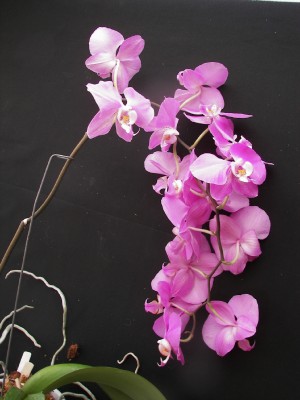
Phalaenopsis aphrodite
Philippines and Taiwan - hot house - half shade - grows well on a windowsill
|
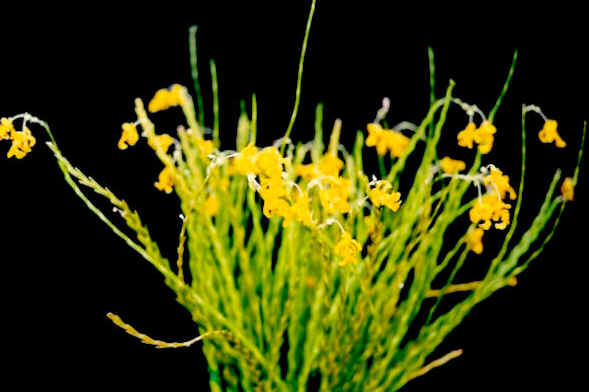
Lockhartia
serra
Native to Ecuador, flowers several times a year -
intermediate - half shade
|
|
|
|
|
|
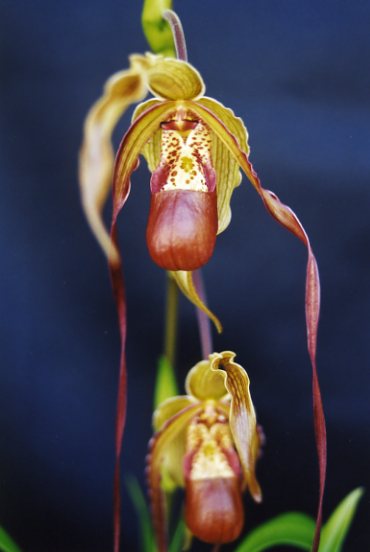
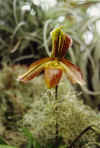
Paphiopedilum affine
China, Philippines, India
A rare plant - intermediate - shade
|
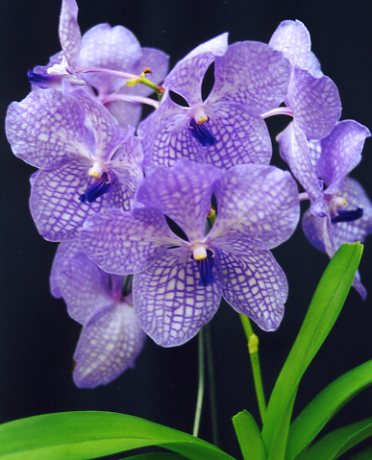
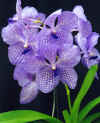
Vanda 'Bangkok blue'
hot house - half shade - a prolific bloomer
|
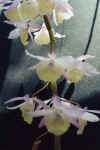
Dendrobium pierardii
syn. Dendrobium aphyllum
an epiphyte native to India, Burma, Thailand and Malaya, fragrant
|
|
|
|
|
|
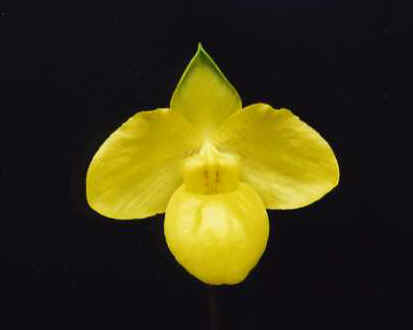
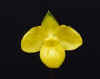
Paphiopedilum armeniacum
native to China, the plant has been the center of conservation
efforts
|
Bifrenaria
harrisonia
Southern Brazil
hot house - half shade - fragrant |
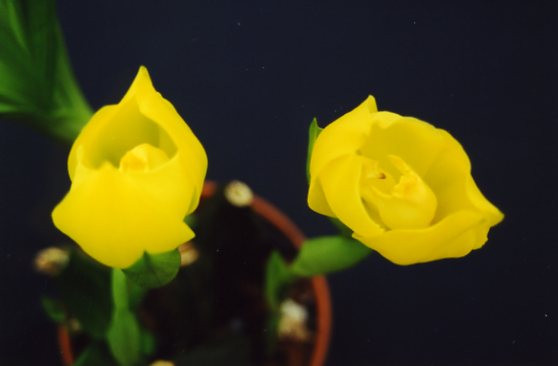
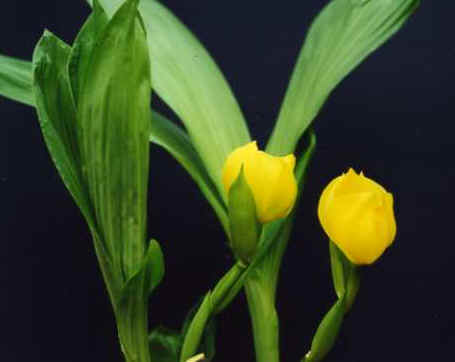
Anguloa clowesii
the tulip orchid, found in the central and eastern range of
the Andes in Columbia and part of Venezuela
|
|
|
|
|
|
BLC Bryce.Canyon'Splendiferous'x
Fred.Stewart'C.O |
Cattleya maxima
Native to the coastal dry forests of Ecuador and northern Peru,
intermediate - half shade - fragrant
|
Dendrobium aggregatum
Southern China, India, Indochinese peninsula - intermediate -
half shade
|
|
|
|
|
|
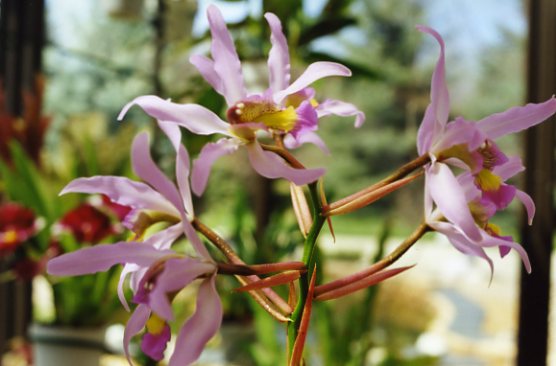
Laelia sincorana
Brazil - intermediate - half shade
|
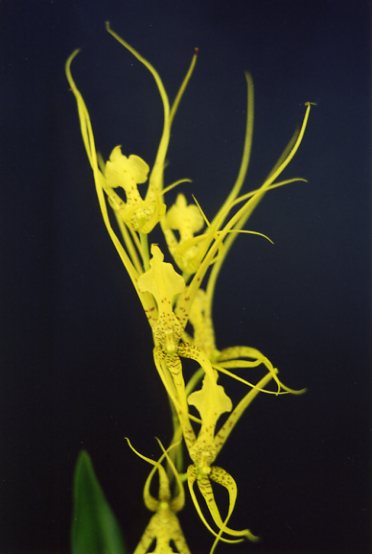
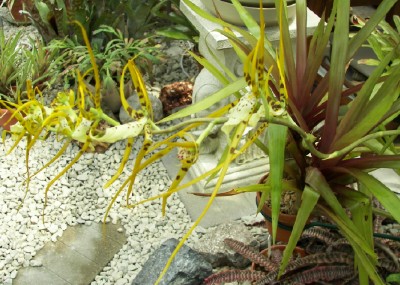
Brassia 'Rex'
intermediate - half shade - fragrant
|
Phragmipedium caudatum
Known from Columbia to Bolivia
|
|
|
|
|
|
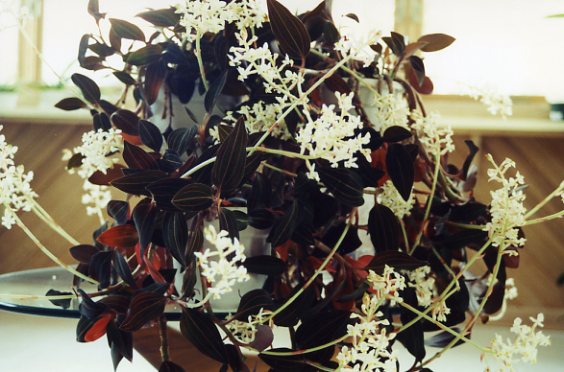
Ludisia discolor
India, Indonesia, Indochinese peninsula
velvet burgundy foliage - keep it moist - intermediate - half
shade to shade
|
Dendrobium discolor var. broomfieldii
grow along the coastal strip of Queensland (Australia), mainly in
bushes quite close to the ocean. Mostly over 2 m tall and produce many keikis.
Very high light, stand high temperatures and dry to wet conditions
|
Cattleya labiata autumnalis 'Fowleyania'
|
|
|
|
|
|
Anguloa clowesii
the tulip orchid, found in the central and eastern range of
the Andes in Columbia and part of Venezuela
|
BLC Toshie Aoki 'Pokai' AM/AOS
BLC Bryce.Canyon'Splendiferous'x Fred.Stewart'C.O
|
Miltonia
'Cumba'
|
|
|
|

|
|
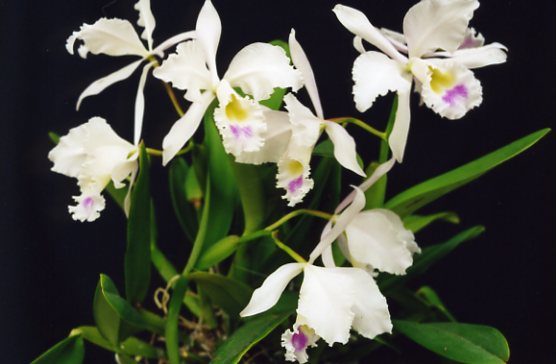
Cattleya labiata
native to Brazil, they form a stable population in the wild,
fragrant
|
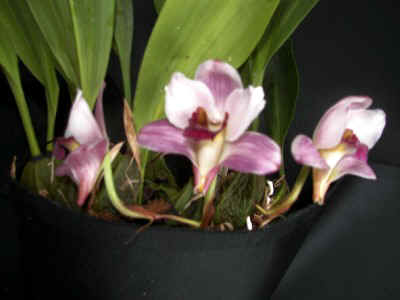
Lycaste aromatica
An epiphyte, native to Mexico, Guatemala, and Nicaragua, found in oak
woodlands and on limestone cliffs; intermediate - half shade - fragrant
|
SLC Jewel Box 'Scheherazade' AM/AOS
|
|
|
|
|
|
Cattleya mossiae
the species is native to the Columbian Andes, the flowers are
variable in color
|
Bulbophyllum medusae
native to Thailand, Borneo and the Philippines
grown under warm conditions - an eye-catching species
|
Cattleya lawrenceana
found in inland mountains of the Guyana region of northeastern
South America
|
|
|
|
|
|
|
Phal. 'Chuck Hagen' x Phal. 'Hilo Lip'
|
|
|
|
|
|
|
|
|
|
|
|
|
|